CogAT Quantitative Reasoning Practice
CogAT Quantitative questions measure reasoning with numbers, patterns, and relationships. The focus is not memorized arithmetic; it is recognizing how quantities change and connect.
Practice a mixed set of CogAT-style quantitative reasoning questions.
How to use this practice page
- Read each question carefully before selecting an answer.
- Choose A, B, C, or D, then check the answer explanation.
- Look for the reasoning rule instead of guessing from the first thing you notice.
- Use the explanations to talk through the thinking process with your child or student.
Skills practiced: number relationships, number patterns, quantitative comparison, and logical problem solving.
Quantitative Practice
Select an answer for each question, then check your work to see the explanation.
Question 1 of 18
Primary Number Series Practice Question
Quantitative
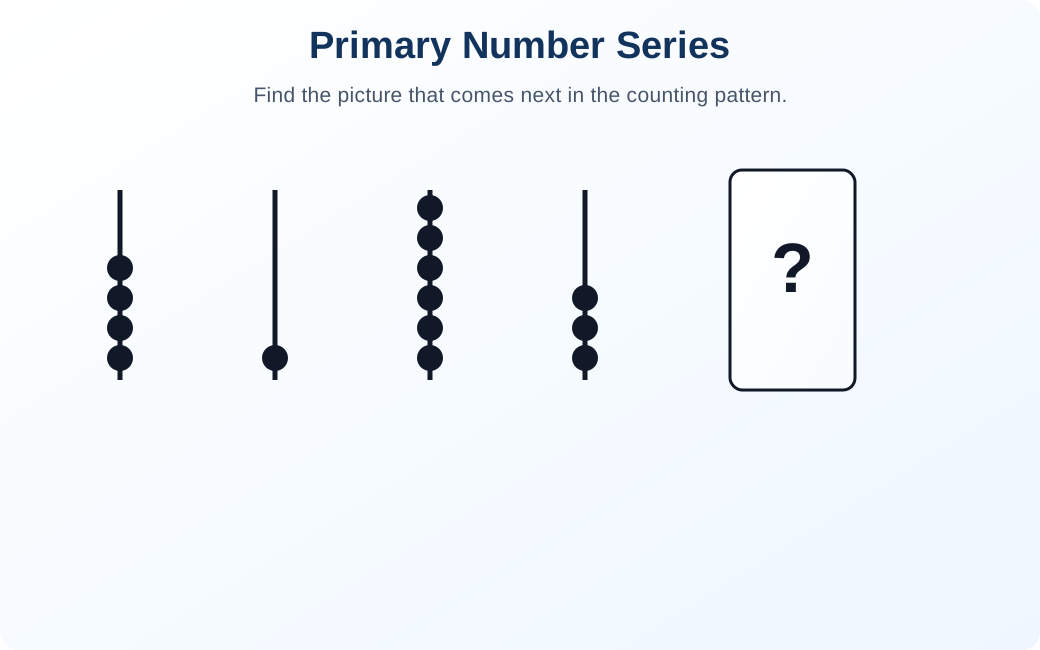
Which picture comes next in the series?
Show explanation
The odd-position groups form their own pattern, adding 2. The next odd-position count is 8.
Skill tested: Counting pattern and sequence reasoning
Question 2 of 18
Primary Number Puzzles Practice Question
Quantitative
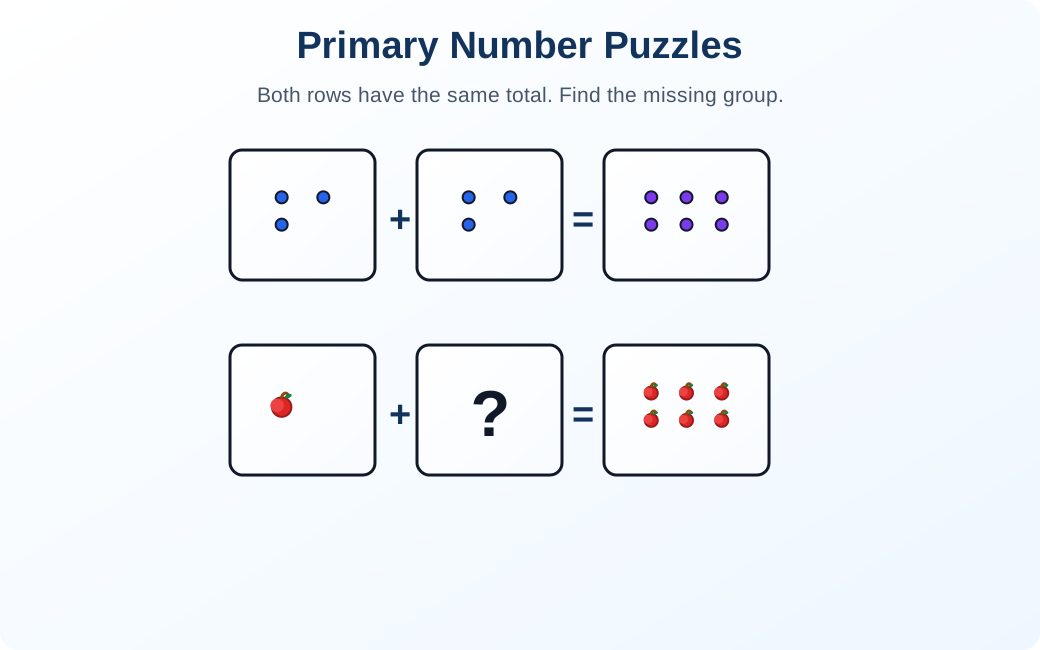
Both rows must have the same total. How many objects belong in the empty box?
Show explanation
The first row makes 6. The known groups in the second row need 5 more objects to make the same total.
Skill tested: Visual missing-addend and part-whole reasoning
Question 3 of 18
Number Series Practice Question
Quantitative
What number comes next? 4, 7, 14, 17, 24, ___
Show explanation
The pattern alternates +3, +7. After 24, add 3 to get 27.
Skill tested: Recognizing alternating number patterns
Question 4 of 18
Primary Number Series Practice Question
Quantitative
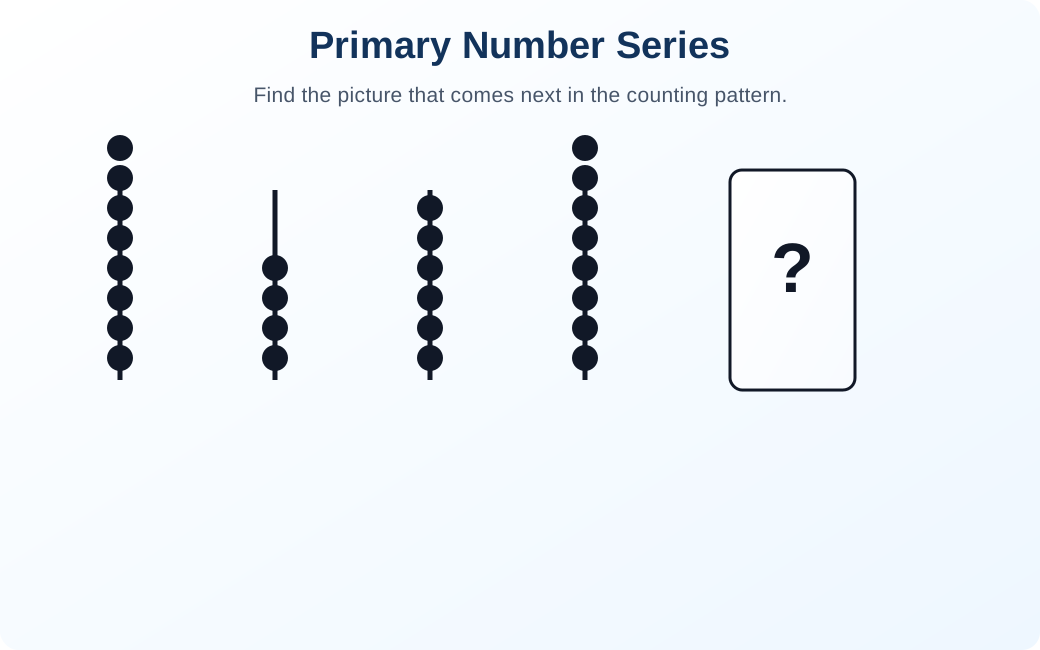
Which picture comes next in the series?
Show explanation
The counts repeat in a three-part pattern: 8, 4, 6. After 8 comes 4.
Skill tested: Counting pattern and sequence reasoning
Question 5 of 18
Primary Number Puzzles Practice Question
Quantitative
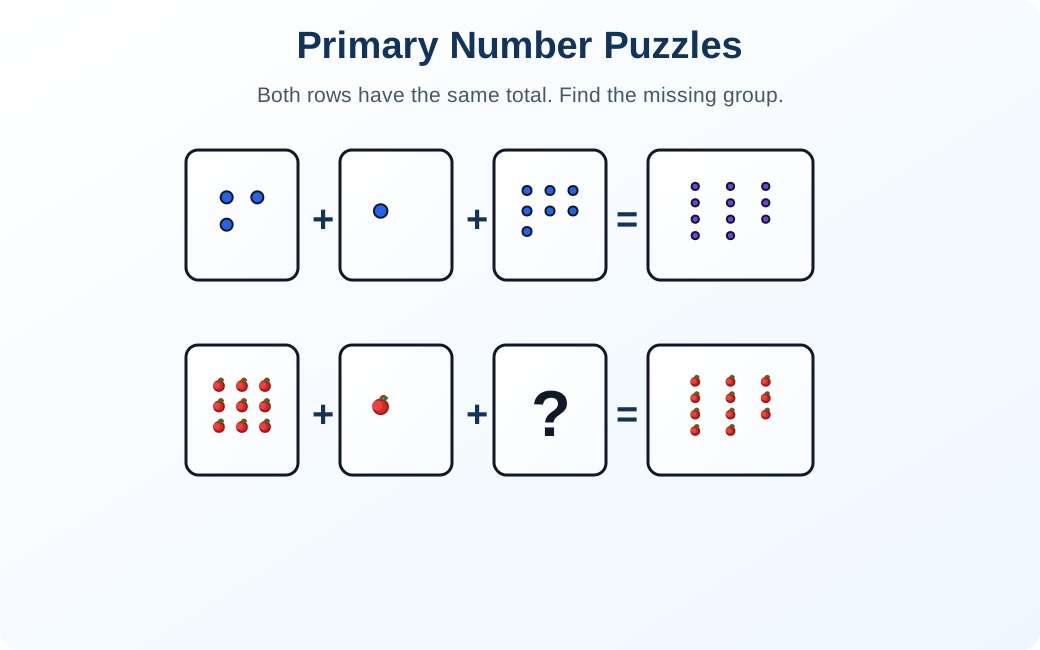
Both rows must have the same total. How many objects belong in the empty box?
Show explanation
The first row makes 11. The known groups in the second row need 1 more objects to make the same total.
Skill tested: Visual missing-addend and part-whole reasoning
Question 6 of 18
Primary Number Series Practice Question
Quantitative
Which picture comes next in the series?
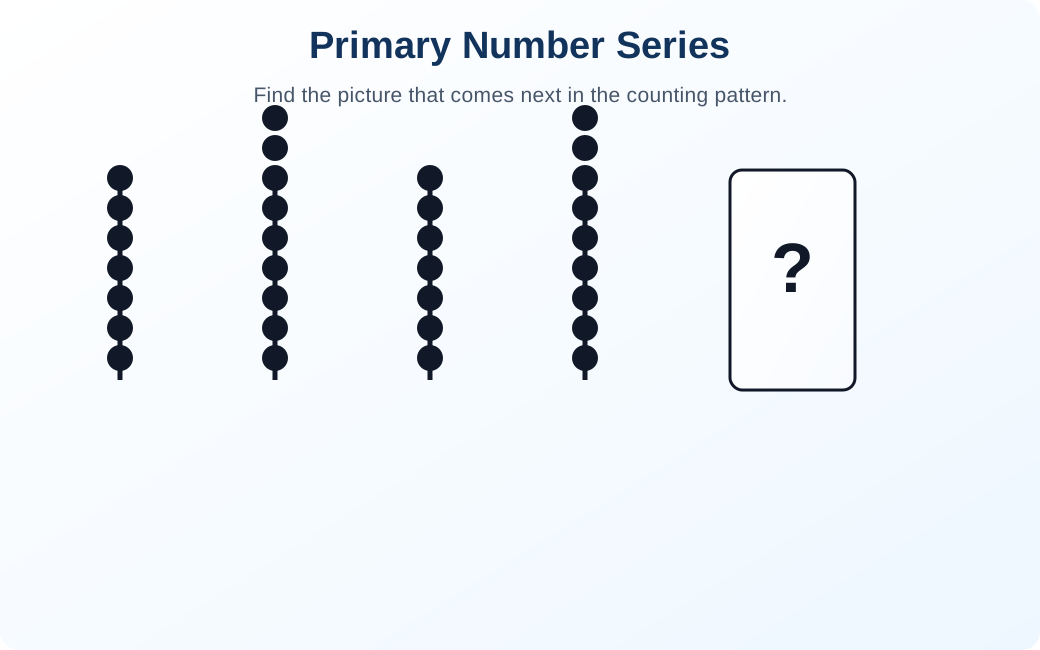
Show explanation
The counts repeat in a two-part pattern: 7, 9. The next count is 7.
Skill tested: Counting pattern and sequence reasoning
Question 7 of 18
Primary Number Analogies Practice Question
Quantitative
Look at how the first two pictures go together. Which picture goes with the third picture in the same way?
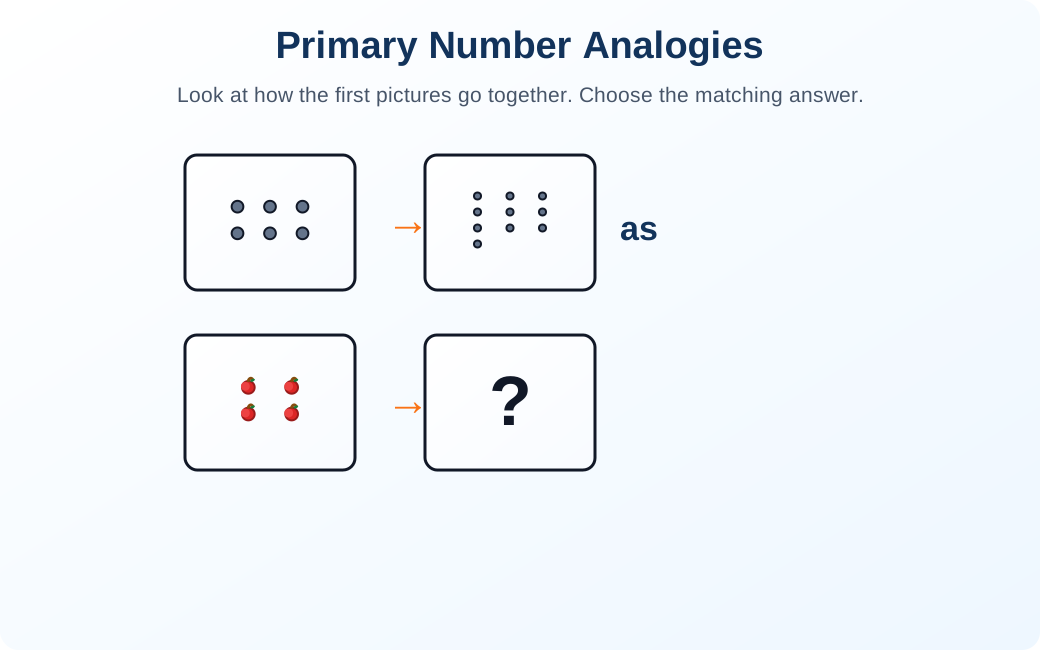
Show explanation
The first group adds 4. The apple group also adds 4, so 4 becomes 8.
Skill tested: Visual counting analogy
Question 8 of 18
Primary Number Analogies Practice Question
Quantitative
Look at how the first two pictures go together. Which picture goes with the third picture in the same way?
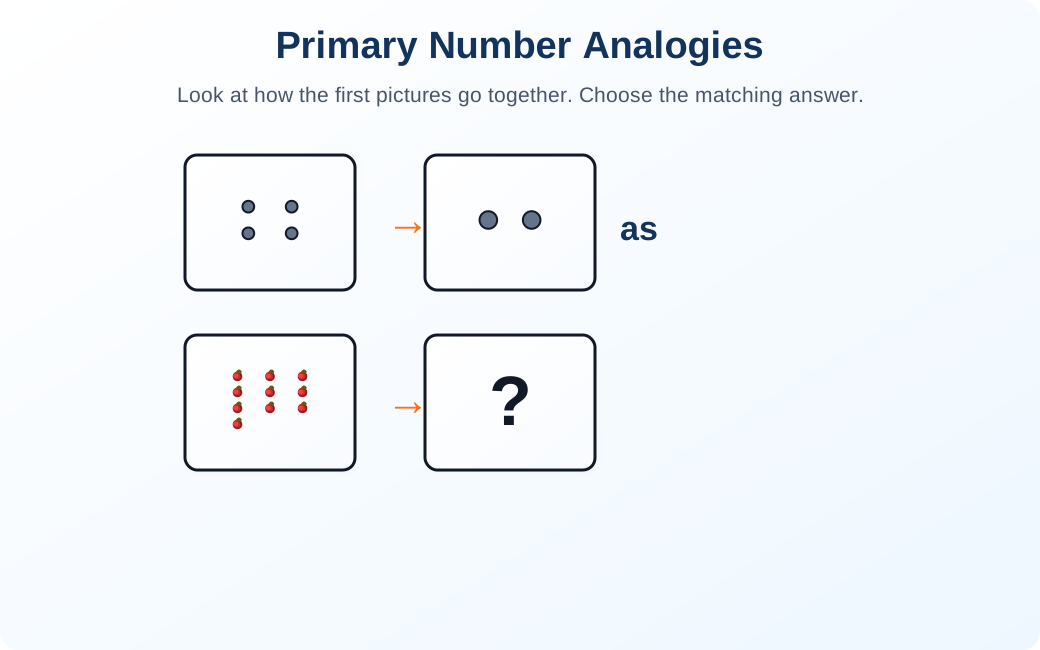
Show explanation
The first group is divided into half. Half of 10 is 5.
Skill tested: Visual counting analogy
Question 9 of 18
Primary Number Analogies Practice Question
Quantitative
Look at how the first two pictures go together. Which picture goes with the third picture in the same way?
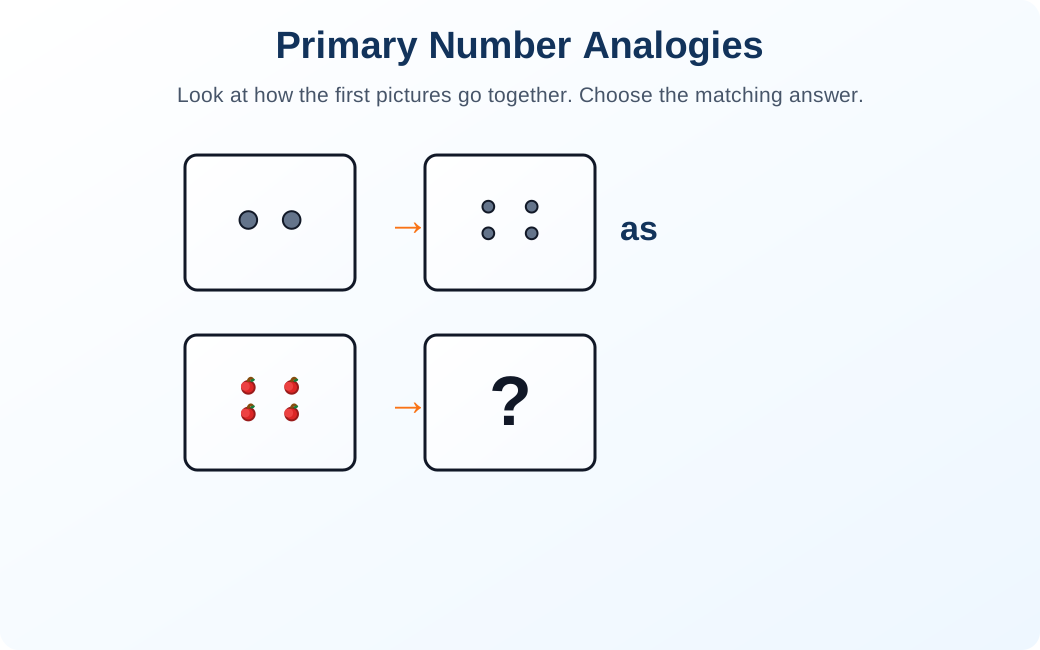
Show explanation
The first group adds 2. The apple group should also add 2, so 4 becomes 6.
Skill tested: Visual counting analogy
Question 10 of 18
Primary Number Analogies Practice Question
Quantitative
Look at how the first two pictures go together. Which picture goes with the third picture in the same way?
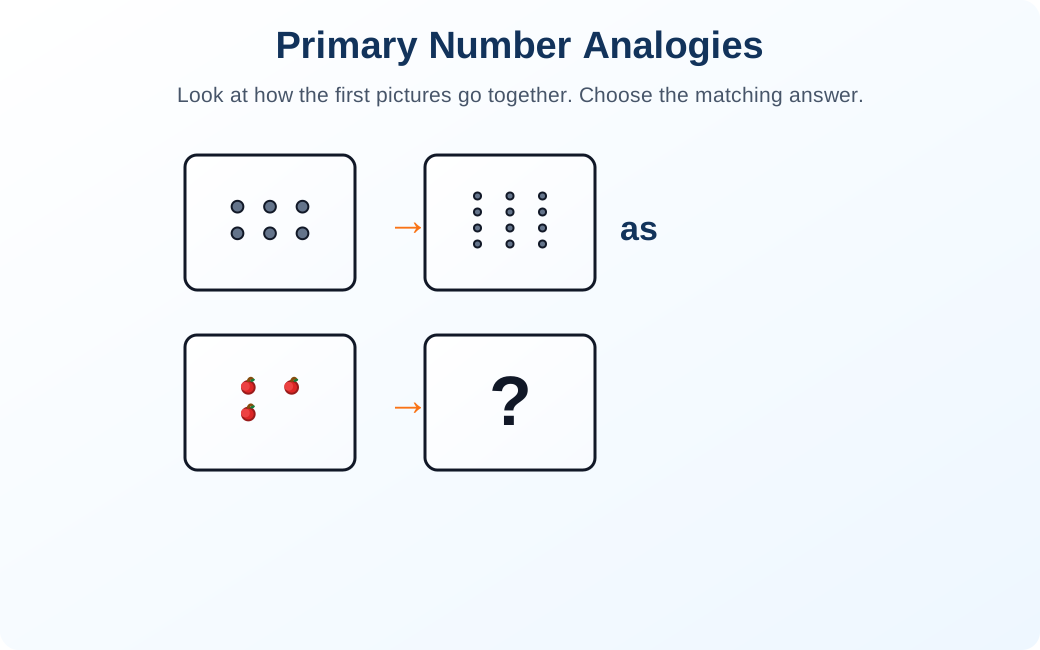
Show explanation
The first group is multiplied by 2. Doing the same to 3 gives 6.
Skill tested: Visual counting analogy
Question 11 of 18
Primary Number Analogies Practice Question
Quantitative
Look at how the first two pictures go together. Which picture goes with the third picture in the same way?
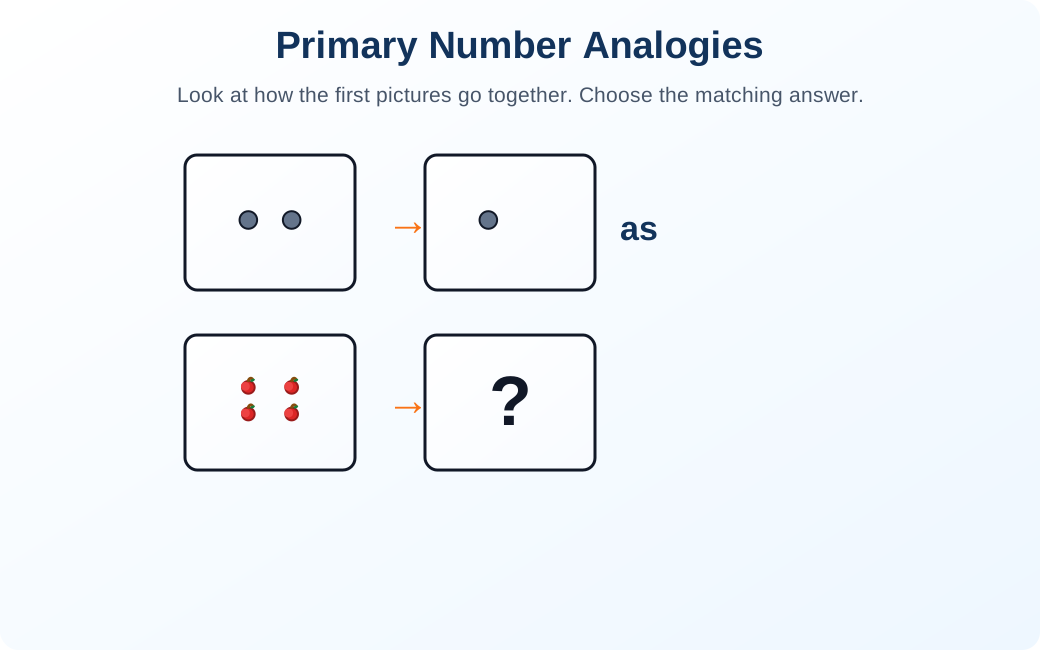
Show explanation
The first group is divided into half. Half of 4 is 2.
Skill tested: Visual counting analogy
Question 12 of 18
Primary Number Puzzles Practice Question
Quantitative
Both rows must have the same total. How many objects belong in the empty box?
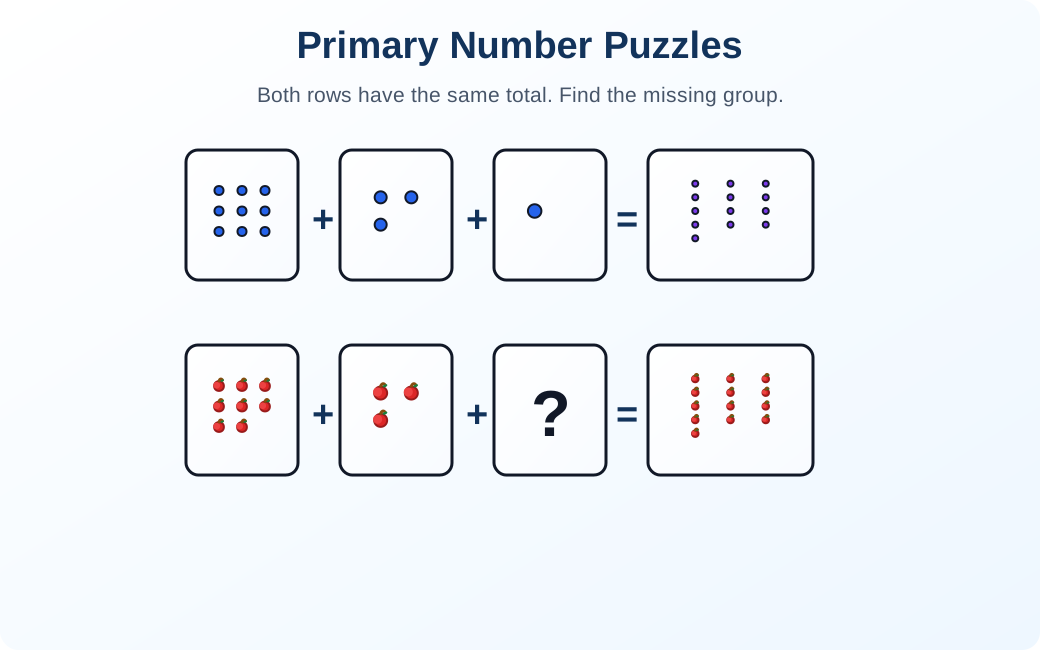
Show explanation
The first row makes 13. The known groups in the second row need 2 more objects to make the same total.
Skill tested: Visual missing-addend and part-whole reasoning
Question 13 of 18
Primary Number Series Practice Question
Quantitative
Which picture comes next in the series?
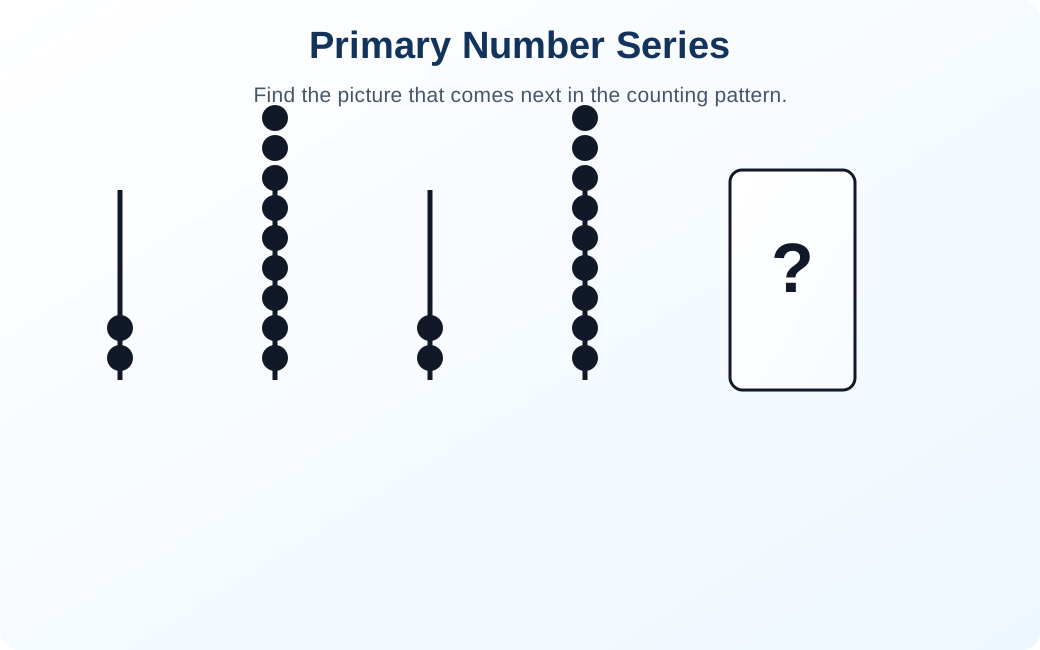
Show explanation
The counts repeat in a two-part pattern: 2, 9. The next count is 2.
Skill tested: Counting pattern and sequence reasoning
Question 14 of 18
Number Series Practice Question
Quantitative
What number comes next? 29, 25, 21, 17, 13, ___
Show explanation
Each number decreases by 4. The next number is 13 - 4 = 9.
Skill tested: Completing a decreasing arithmetic number pattern
Question 15 of 18
Primary Number Series Practice Question
Quantitative
Which picture comes next in the series?
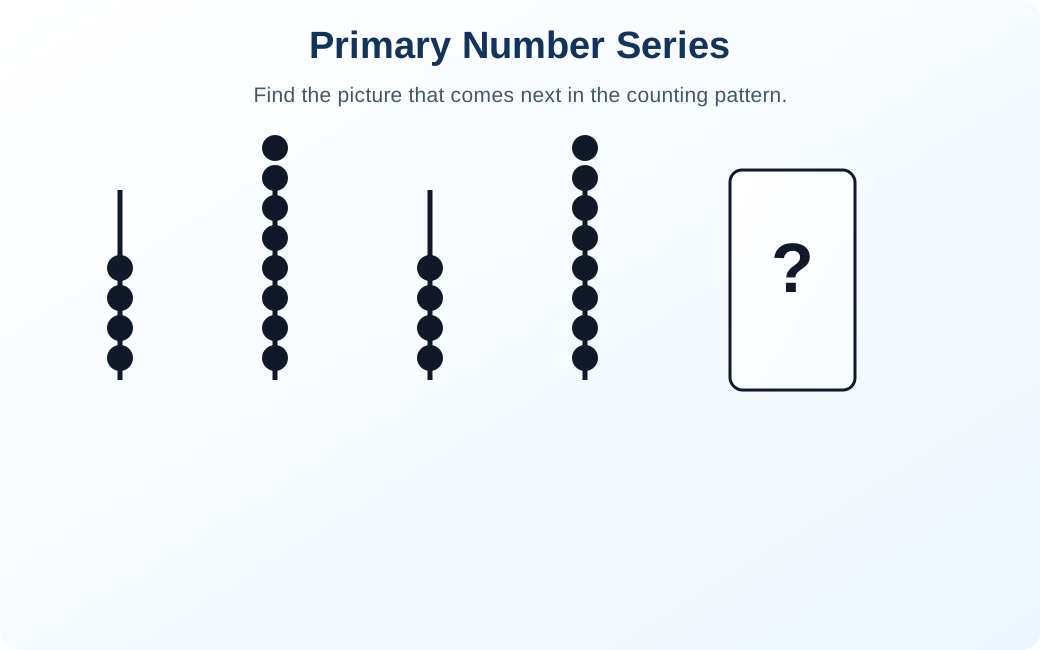
Show explanation
The counts repeat in a two-part pattern: 4, 8. The next count is 4.
Skill tested: Counting pattern and sequence reasoning
Question 16 of 18
Primary Number Series Practice Question
Quantitative
Which picture comes next in the series?
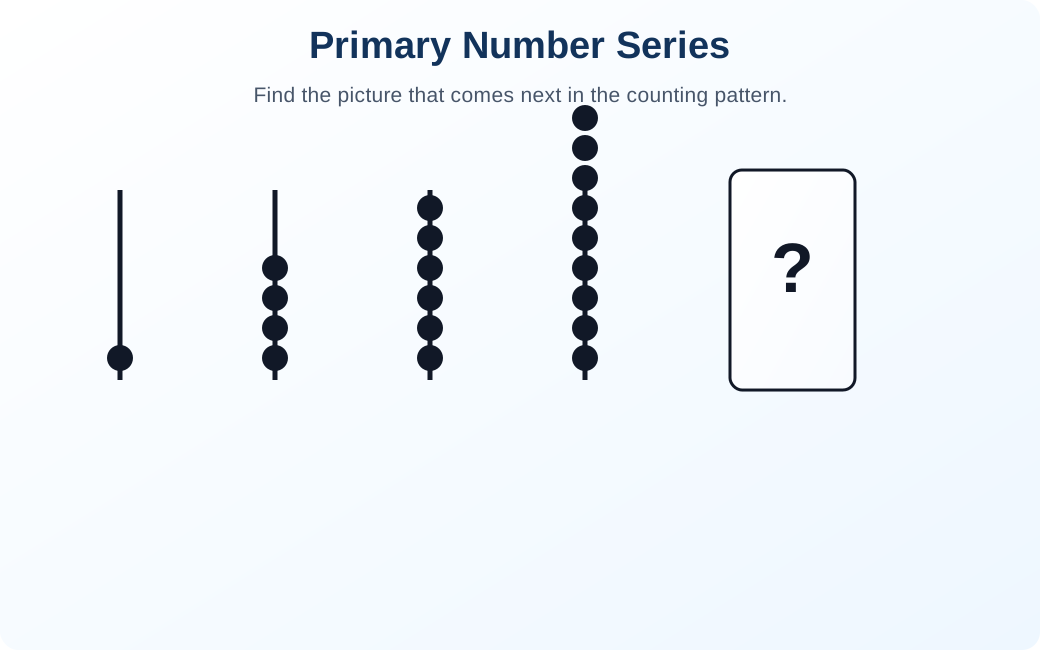
Show explanation
The pattern alternates adding 3 and adding 2. The next count is 11.
Skill tested: Counting pattern and sequence reasoning
Question 17 of 18
Primary Number Puzzles Practice Question
Quantitative
Both rows must have the same total. How many objects belong in the empty box?
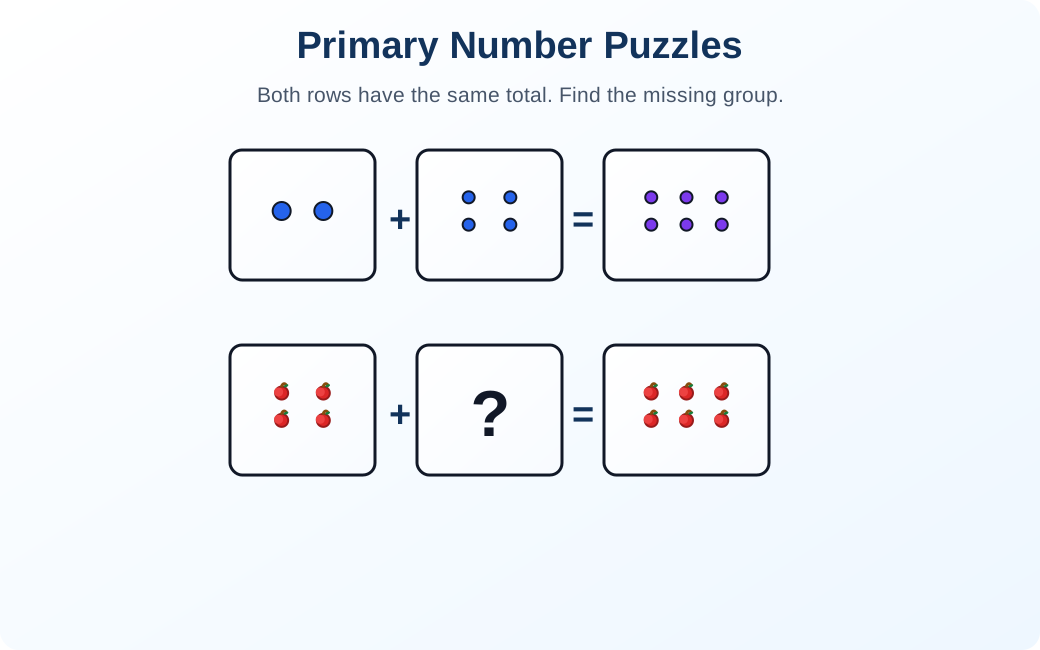
Show explanation
The first row makes 6. The known groups in the second row need 2 more objects to make the same total.
Skill tested: Visual missing-addend and part-whole reasoning
Question 18 of 18
Primary Number Analogies Practice Question
Quantitative
Look at how the first two pictures go together. Which picture goes with the third picture in the same way?
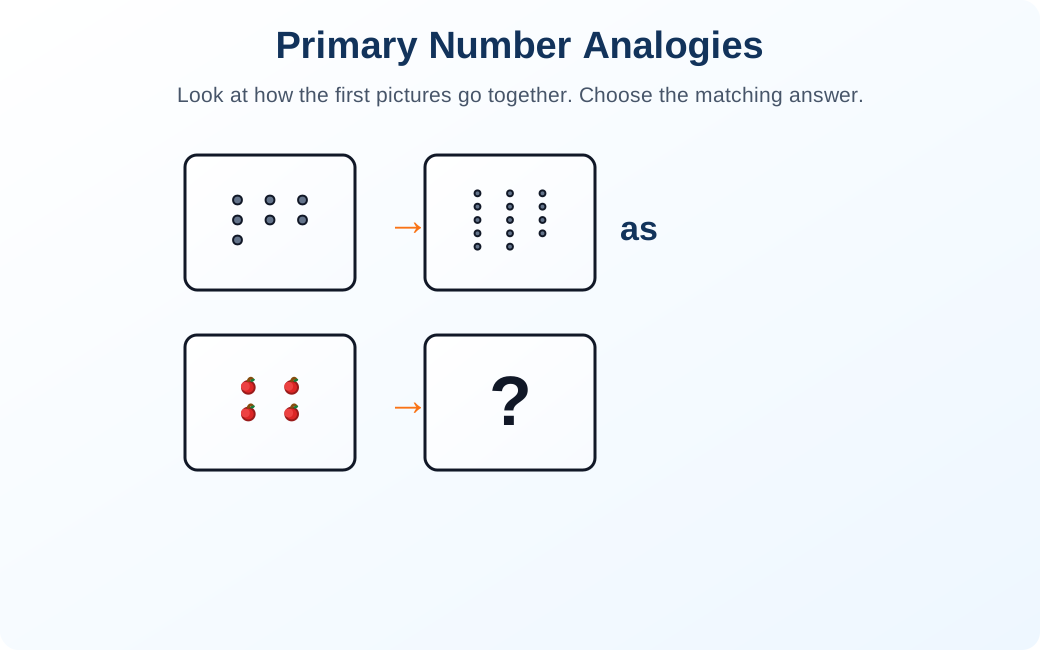
Show explanation
The first group is multiplied by 2. Doing the same to 4 gives 8.
Skill tested: Visual counting analogy
Next practice steps
For focused practice, try Number Analogies, Number Series, or Number Puzzles.
For grade-based mixed practice, choose a grade from the Practice menu.